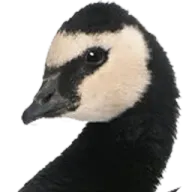
 Rarity: Common
Barnacle Goose
Branta leucopsis
A black-and-white goose with a white face. It breeds in the Arctic and spends the winter in large flocks along the coasts of northern Europe.


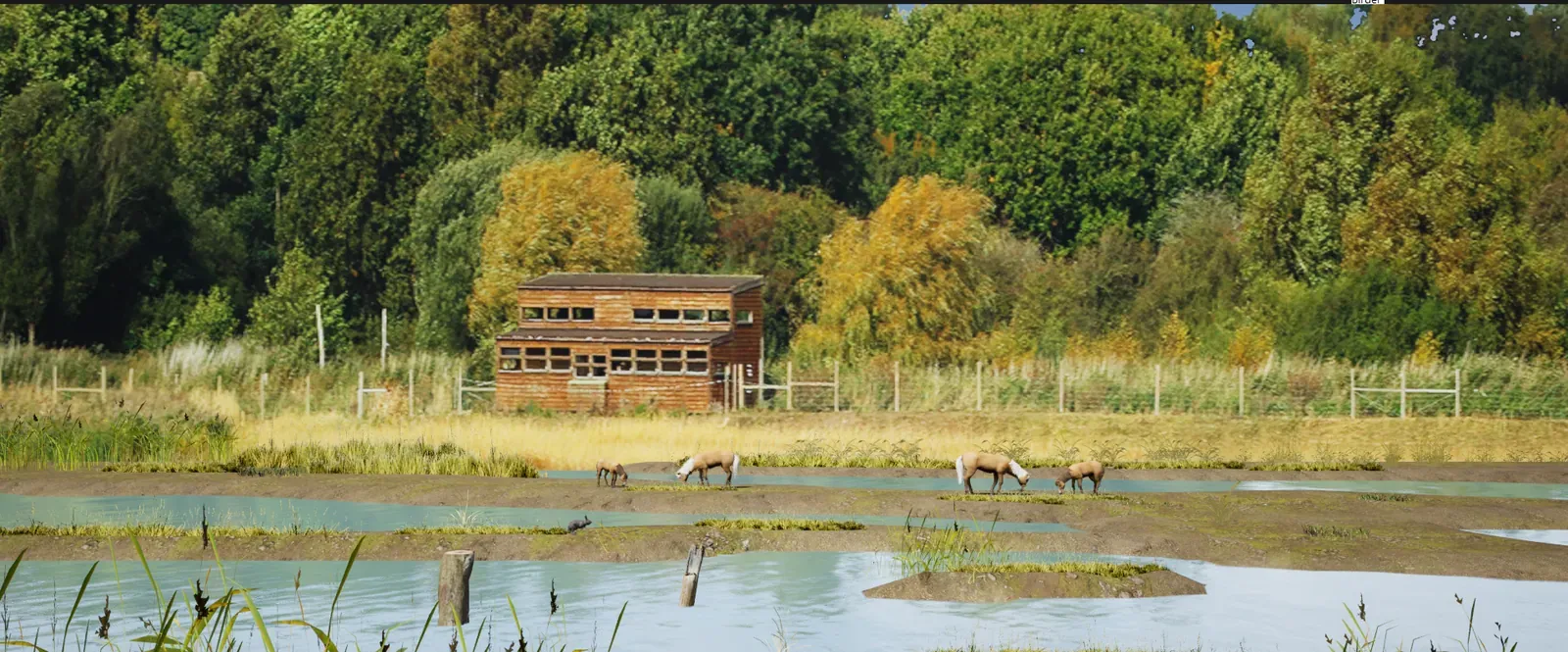
Suffolk, England
An RSPB reserve on the Suffolk coast, with reedbeds, brackish lagoons, heathland and woods. It is one of the best-known birdwatching sites in Britain.
15 species
Minsmere is a reserve run by the RSPB, the UK's leading bird conservation charity, on the Suffolk coast. Its roughly 1,000 hectares bring together reed beds, brackish lagoons, heathland, woods and beach, which is why so many birds live here. It's also a landmark site: in 1947 avocets returned to breed in Britain right here and on nearby Havergate Island, and they've been the RSPB's emblem ever since.
In The Birders you photograph 15 species at Minsmere, from the Eurasian coot and the wren to the bittern, hidden in the reeds, and the red-necked phalarope, the rarest of all.
Rarity: CommonBranta leucopsis
A black-and-white goose with a white face. It breeds in the Arctic and spends the winter in large flocks along the coasts of northern Europe.
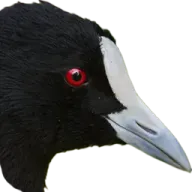 Rarity: Common
Fulica atra
A black waterbird with a white bill and forehead shield. Its toes are lobed rather than webbed, and it fiercely defends its own stretch of pond.
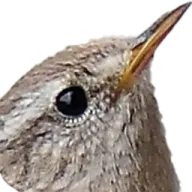 Rarity: Common
Troglodytes troglodytes
One of Europe's smallest birds, brown with its tail always cocked. Despite its size it has a remarkably loud song full of trills.
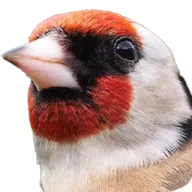 Rarity: Common
Carduelis carduelis
Recognisable by its red face and the yellow band on its wings. It uses its pointed bill to pick seeds out of thistles and other spiny plants.
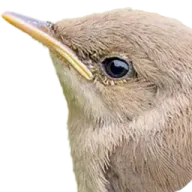 Rarity: Common
Acrocephalus scirpaceus
A small brown bird that lives among the reeds. Its nest, woven between the stems, is often chosen by the cuckoo to lay its own eggs.
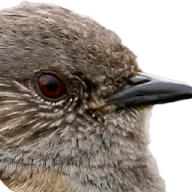 Rarity: Rare
Prunella modularis
Quiet and grey-brown, it shuffles along the ground under hedges. It looks like a sparrow but is not one: it has the thin bill of an insect eater.
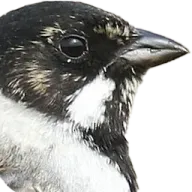 Rarity: Rare
Emberiza schoeniclus
In spring the male has a black head and a white collar. It lives in reedbeds and wetlands, feeding on seeds and insects.
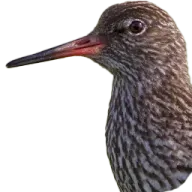 Rarity: Rare
Tringa totanus
It has bright red legs and is always on the alert: at the first sign of danger it takes off with shrill calls that warn the whole marsh.
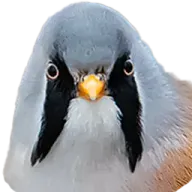 Rarity: Rare
Panurus biarmicus
The male has a blue-grey head and a distinctive black “moustache”. It lives in large reedbeds, eating insects in summer and reed seeds in winter.
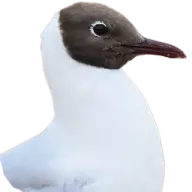 Rarity: Epic
Chroicocephalus ridibundus
In summer it wears a chocolate-brown hood, which shrinks to a dark spot behind the eye in winter. It adapts to any habitat, from marshes to cities.
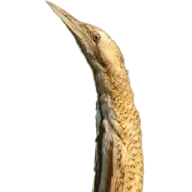 Rarity: Epic
Botaurus stellaris
A camouflaged heron that, when disturbed, freezes with its bill pointing skywards to blend in with the reeds. The male's deep booming call carries for kilometres.
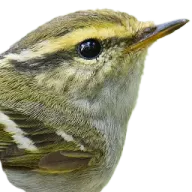 Rarity: Epic
Phylloscopus proregulus
A tiny green-and-yellow leaf warbler with a pale stripe on its crown, no bigger than a goldcrest. It breeds in Siberia and sometimes reaches European coasts in autumn.
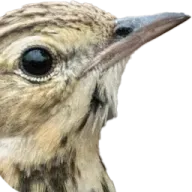 Rarity: Mythic
Anthus trivialis
A small brown, streaked bird of woodland edges. The male flies up from a treetop and parachutes back down with its wings spread, singing as it goes.
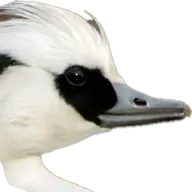 Rarity: Mythic
Mergellus albellus
A small diving duck: the male is white with fine black markings, the female has a chestnut head. Its serrated bill helps it grip fish.
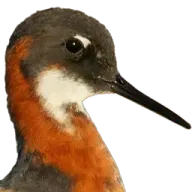 Rarity: Legendary
Phalaropus lobatus
A small bird that spins on the water to stir up food. Roles are reversed: the female is the more colourful one and the male incubates the eggs.