 Rarity: Common
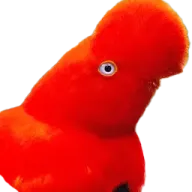
Andean Cock-of-the-rock
Rupicola peruvianus
Peru's national bird. The bright orange or red male, with a disc-shaped crest, performs group displays to attract females.


Peru
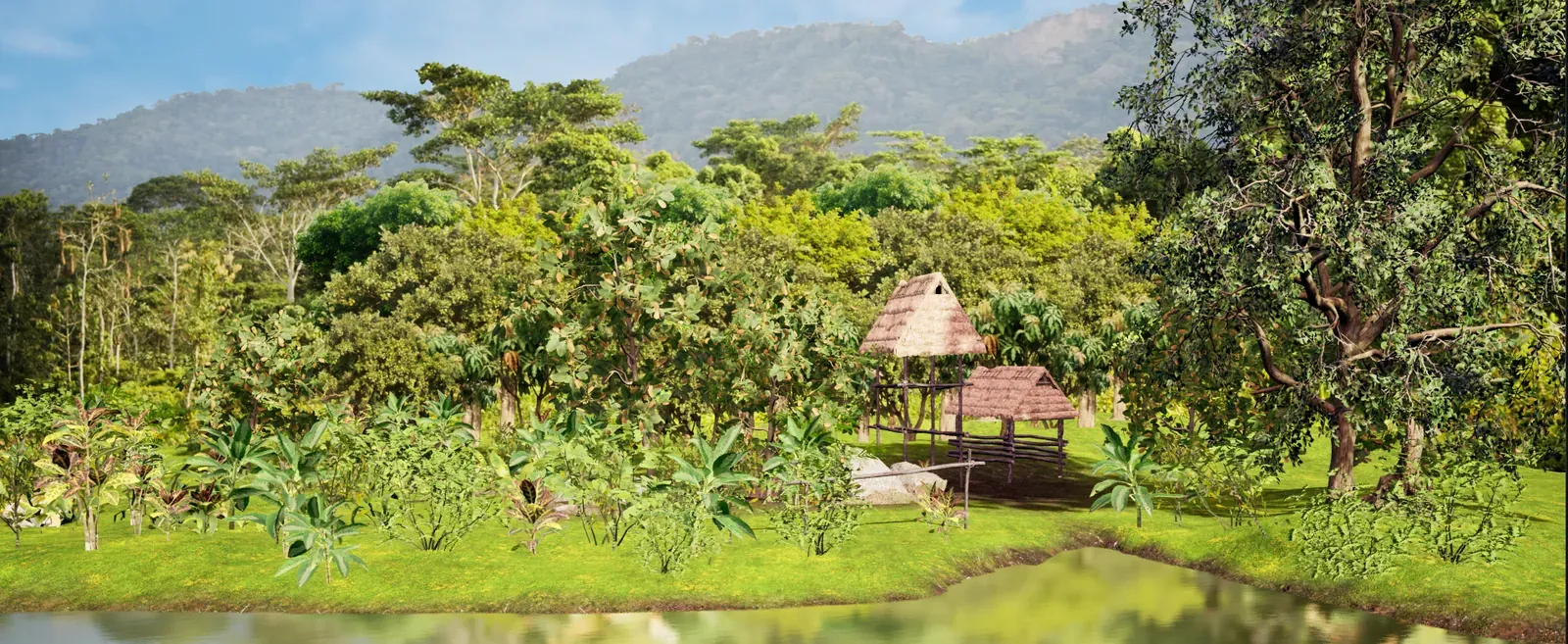
A national park that runs from the Andes down into the Amazon rainforest. With around a thousand species, it is one of the richest places for birds on Earth.
15 species
Manu National Park, in south-eastern Peru, runs from the Andean grasslands, above 4,000 metres, down to the Amazon rainforest, 150 metres above sea level. Along the way one habitat follows another, which is why Manu is one of the places with the most bird species in the world. It has been a UNESCO World Heritage Site since 1987. Along the rivers in the area are the collpas, clay banks where hundreds of parrots and macaws gather every morning.
In The Birders you photograph the Andean cock-of-the-rock, Peru's national bird, the scarlet macaw and harder species like the hoatzin, up to the lyre-tailed nightjar, the rarest.
Rarity: CommonRupicola peruvianus
Peru's national bird. The bright orange or red male, with a disc-shaped crest, performs group displays to attract females.
 Rarity: Common
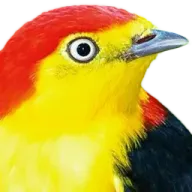
Pipra filicauda
The male has a red crown, a yellow belly and tail feathers that end in long wires, which it brushes against the female's chin during courtship.
 Rarity: Common
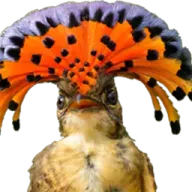
Onychorhynchus coronatus
It usually keeps its crest folded, but when it opens it, it reveals a fan of red or orange feathers tipped with blue.
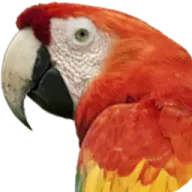 Rarity: Common
Ara macao
One of the largest and most colourful parrots, red with yellow and blue wings. In Manu it gathers by the hundreds on riverside clay banks to eat the soil.
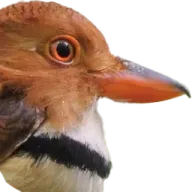 Rarity: Common
Bucco capensis
A stocky, calm bird with an orange head and a black collar. It sits still on a branch for long periods before darting out to catch insects.
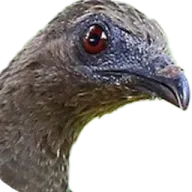 Rarity: Rare
Chamaepetes goudotii
A large forest bird with blue facial skin. In flight its curved wing feathers make a distinctive rattling sound.
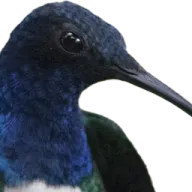 Rarity: Rare
Florisuga mellivora
A blue-and-green hummingbird with a white belly and a white patch on the nape. It boldly defends the flowers it feeds on.
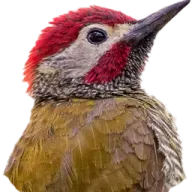 Rarity: Rare
Colaptes rubiginosus
An olive-green woodpecker with a barred breast, a pale face and a grey crown edged with red.
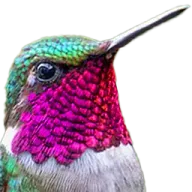 Rarity: Rare
Calliphlox amethystina
A tiny hummingbird with an amethyst-purple throat. Its slow, steady flight makes it look like a bumblebee.
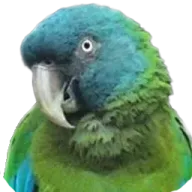 Rarity: Epic
Primolius couloni
A small green macaw with a blue head. It lives in a small area between Peru, Brazil and Bolivia and is considered vulnerable.
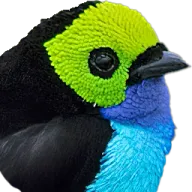 Rarity: Epic
Tangara chilensis
It has seven colours in its plumage: apple-green head, red rump, turquoise belly and black back. It moves through the forest canopy in mixed flocks.
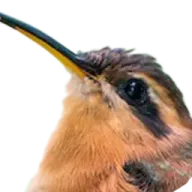 Rarity: Epic
Phaethornis ruber
One of the smallest hummingbirds in the world, rufous in colour. It visits understorey flowers following the same route every day.
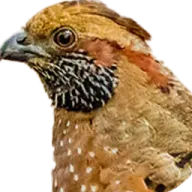 Rarity: Mythic
Odontophorus speciosus
A ground bird of Andean forests with a rufous breast. It lives in small groups that sing in chorus at dawn.
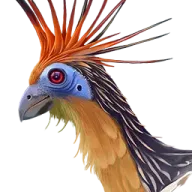 Rarity: Mythic
Opisthocomus hoazin
A bird like no other, with a shaggy crest and a blue face. It digests leaves in a similar way to cows, and its chicks have claws on their wings.
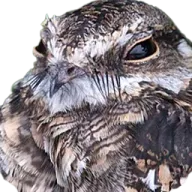 Rarity: Legendary
Uropsalis lyra
The male has two extremely long, lyre-shaped tail feathers, far longer than its body. It perches on rocks along streams in mountain forests.