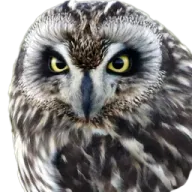
 Rarity: Common
Pueo
Asio flammeus sandwichensis
The Hawaiian subspecies of the short-eared owl. Also active by day, it is regarded as a protective spirit in Hawaiian culture.


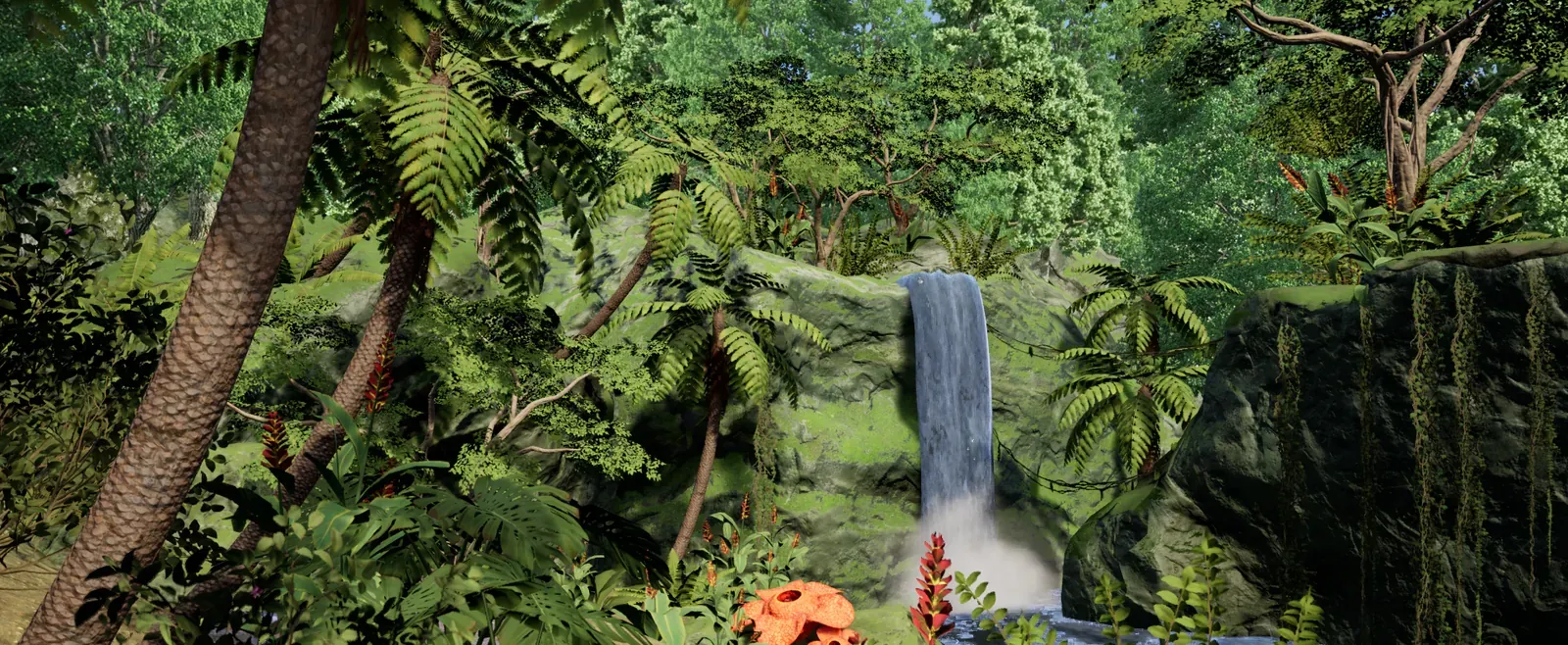
USA
Rainforests and waterfalls on remote volcanic islands in the Pacific. Here live birds found nowhere else on Earth, many of them at risk of extinction.
15 species
Hawaii is the most isolated archipelago in the world: volcanic islands thousands of kilometres from any continent. The birds that reached them evolved into species found nowhere else. The best known are the Hawaiian honeycreepers: they descend from a single finch-like ancestor and became dozens of different species, with bills suited to nectar, insects or seeds. Today many are endangered, because of forest loss and avian malaria spread by mosquitoes.
In The Birders you'll meet them in the island forests: the ʻapapane and the ʻiʻiwi, red as fire, and rare species like the palila and the Hawaiʻi ʻākepa. The rarest of all is the Hawaiian crow, which today survives only in captivity, where work is under way to return it to the wild.
Rarity: CommonAsio flammeus sandwichensis
The Hawaiian subspecies of the short-eared owl. Also active by day, it is regarded as a protective spirit in Hawaiian culture.
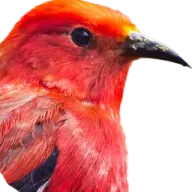 Rarity: Common
Himatione sanguinea
A crimson bird with black wings and tail, found only in Hawaii. It feeds on nectar from ʻōhiʻa lehua flowers.
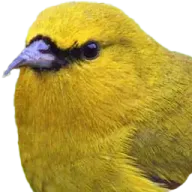 Rarity: Common
Chlorodrepanis virens
A small yellow-green bird with a slightly curved bill. It is one of the most common Hawaiian honeycreepers and feeds on nectar, insects and fruit.
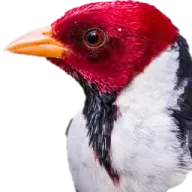 Rarity: Common
Paroaria capitata
It has a red head, a black throat and a yellow-orange bill. Native to South America, it was introduced to Hawaii.
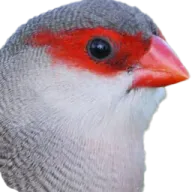 Rarity: Common
Estrilda astrild
A small bird with a coral-red bill and a red mask through the eye. Native to Africa, it has been introduced to many islands, Hawaii included.
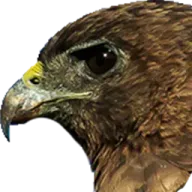 Rarity: Rare
Buteo solitarius
The only native daytime bird of prey in Hawaii, where it is called ʻio. It breeds only on the island of Hawaiʻi.
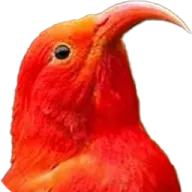 Rarity: Rare
Drepanis coccinea
A bright red bird with a long curved bill, perfect for reaching the nectar of tubular flowers. Its red feathers once adorned the cloaks of Hawaiian kings.
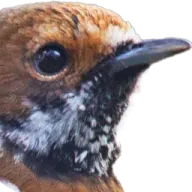 Rarity: Rare
Chasiempis sandwichensis
A small, curious bird that often holds its tail cocked. In Hawaiian tradition it was the guardian of canoe builders.
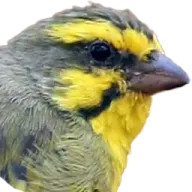 Rarity: Rare
Crithagra mozambica
A small yellow-and-green finch with a yellow stripe above the eye. Native to Africa, it was introduced to Hawaii.
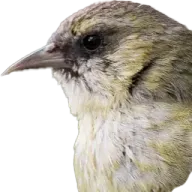 Rarity: Epic
Loxops mana
A small olive-green bird that creeps along trunks and branches looking for insects. It lives only in the forests of the island of Hawaiʻi and is endangered.
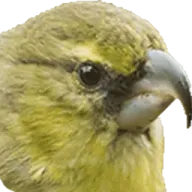 Rarity: Epic
Pseudonestor xanthophrys
Known as kiwikiu, it uses its heavy, parrot-like bill to rip off bark and reach the larvae beneath. It lives only on Maui and is critically endangered.
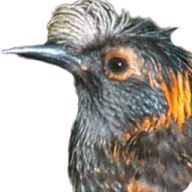 Rarity: Epic
Palmeria dolei
It has a tuft of pale feathers on its forehead and black plumage flecked with orange. It lives only in the forests of Maui and is critically endangered.
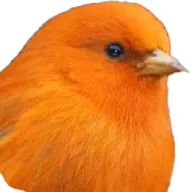 Rarity: Mythic
Loxops coccineus
The male is bright orange. The tips of its bill are slightly crossed, which helps it pry open buds in search of insects.
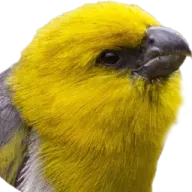 Rarity: Mythic
Loxioides bailleui
Yellow-headed and thick-billed, it feeds almost only on the seeds of the māmane tree, on the slopes of Mauna Kea where it survives.
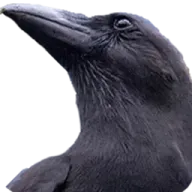 Rarity: Legendary
Corvus hawaiiensis
Known as ʻalalā, it was declared extinct in the wild in 2002 and survives thanks to captive breeding and reintroduction projects. It is known for using sticks as tools.