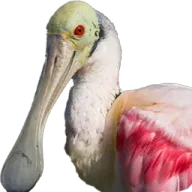
 Rarity: Common
Roseate Spoonbill
Platalea ajaja
Unmistakable with its pink plumage and spoon-shaped bill, which it sweeps from side to side in shallow water to catch small fish and crustaceans.


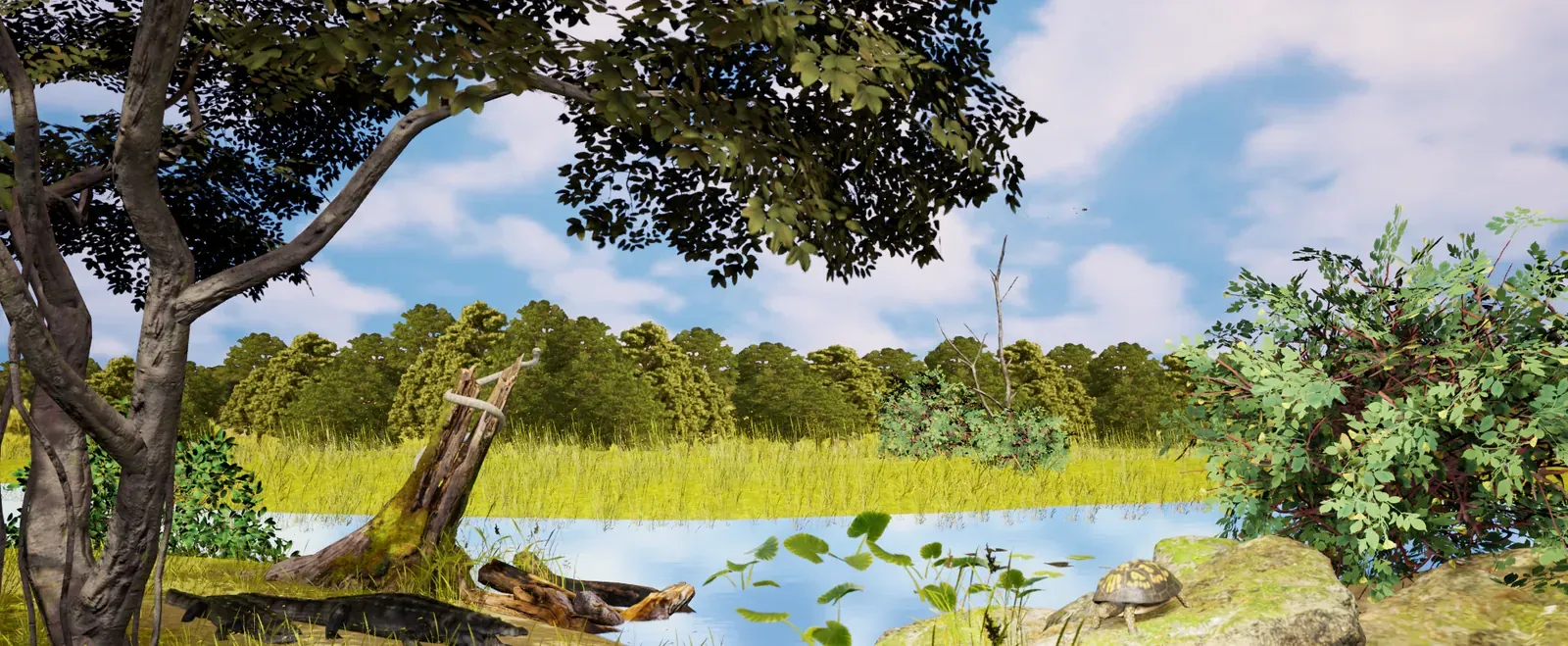
Florida, USA
A vast “river of grass” flowing slowly to the sea through marshes, mangroves and tree islands. It is home to herons, ibises, spoonbills and alligators.
15 species
The Everglades are a vast sheet of shallow water and sawgrass flowing slowly towards the sea in southern Florida. The writer Marjory Stoneman Douglas called them the "River of Grass", and the name stuck. The national park, founded in 1947, is the largest subtropical wilderness in the United States and a UNESCO World Heritage Site. More than 360 bird species have been recorded here, above all the herons, ibises and storks that feed in the shallows.
In The Birders you'll find 15 species: the roseate spoonbill is one of the easiest to spot, the wood stork is harder, and the white-faced ibis is the rarest.
Rarity: CommonPlatalea ajaja
Unmistakable with its pink plumage and spoon-shaped bill, which it sweeps from side to side in shallow water to catch small fish and crustaceans.
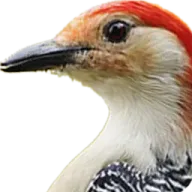 Rarity: Common
Melanerpes carolinus
Despite its name, its most striking red is on the nape: the belly has only a faint pinkish wash. Its back is barred black and white.
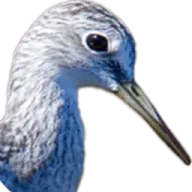 Rarity: Common
Tringa melanoleuca
Slender, with long bright yellow legs. When alarmed it gives a series of three or four ringing whistles.
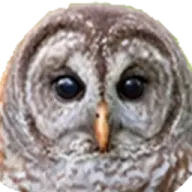 Rarity: Common
Strix varia
A large owl with dark eyes and vertical streaks on its belly. Its rhythmic call sounds like “Who cooks for you?”.
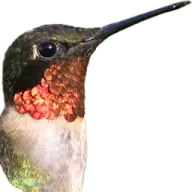 Rarity: Common
Archilochus colubris
The only hummingbird that breeds in the eastern United States. The male has a ruby-red throat, and every autumn some cross the Gulf of Mexico non-stop.
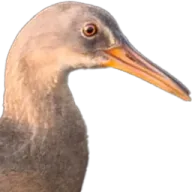 Rarity: Rare
Rallus crepitans
A bird of salt marshes, hard to see in the vegetation but easy to hear: its call is a series of dry, repeated clacking notes.
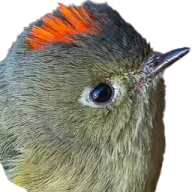 Rarity: Rare
Corthylio calendula
A tiny olive-green bird always on the move, constantly flicking its wings. The male has a red crown patch that it shows only when excited.
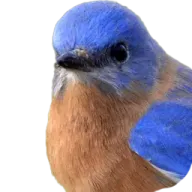 Rarity: Rare
Sialia sialis
The male has a deep blue back and an orange breast. It nests in tree cavities and nest boxes.
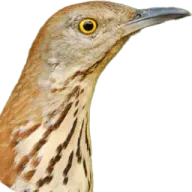 Rarity: Rare
Toxostoma rufum
A rusty-brown bird with a long tail and yellow eyes. It has one of the largest song repertoires in North America, with over a thousand different phrases.
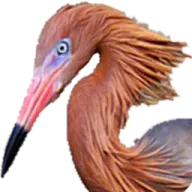 Rarity: Epic
Egretta rufescens
A heron with a rust-coloured head and neck. It hunts in spectacular fashion, running, leaping and spreading its wings to shade the water and spot fish.
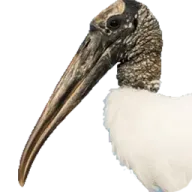 Rarity: Epic
Mycteria americana
The only stork that breeds in the United States, with a bare grey head. It fishes by touch: it holds its bill open in the water and snaps it shut as soon as it feels a fish.
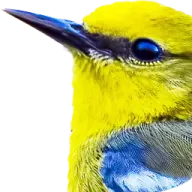 Rarity: Epic
Vermivora cyanoptera
A small, bright yellow bird with blue-grey wings and a thin black line through the eye. It lives in open woodland and scrub.
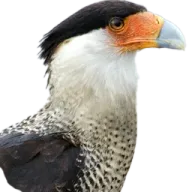 Rarity: Mythic
Caracara plancus
A long-legged bird of prey that spends a lot of time on the ground. It has a black cap and a red or orange face, and eats both live prey and carrion.
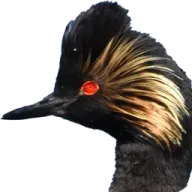 Rarity: Mythic
Podiceps nigricollis
A diving bird with bright red eyes. In breeding plumage it has a black neck and golden tufts on the sides of its head.
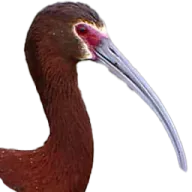 Rarity: Legendary
Plegadis chihi
A dark, glossy ibis with a thin white border around its face in the breeding season. It lives in freshwater marshes.